Articles on Security
Every article filed under Security, newest first. The rest of the archive is one chip away. Each chip is a drawer, and this one is open.
      J F M A M J J A S O N D
2026  · · · 1 · · · 1 1 · · ·     3
2025  · · · · · · 1 · · 1 1 ·     3
2023  · · · · · · · 1 · · 1 ·     2
2022  · · 1 1 1 · · · 1 · 1 ·     5
The index
Every post in this category, newest first. Pick another category, or search the titles and excerpts. The search is literal: every word you type has to appear, which is how computers like it.
2026 3 posts
- Computer Says No: When an AI Agent Wouldn't Take No for an Answer
An AI agent was given a dull research task about Australian health spending. It ended up climbing over a government website's fence. Here is why a harmless goal can grow a harmful sub-goal, and what to check on your own site this week.
Security
- Strangers in node_modules: A Plain Guide to Software Supply-Chain Attacks
In one year, npm went from one phished password to a worm that sets up home in your code editor. Here is how a stranger's release ends up running on your laptop, what each defence actually proves, and the checks that would have stopped most of it.
Security
- Zero-Day Hero: How a Bug Is Found, Named and Finally Patched
A vulnerability has a life: it is born in a line of code, found, named, disclosed on a clock, patched, and then, much later, actually installed. AI has just sped up one part of that life far more than the rest. Here is the whole cycle, and the patch policy it now demands.
Security
2025 3 posts
- The Visitors' Book: Why Your Analytics Vendor Is Part of Your Attack Surface
A smishing campaign against Mixpanel ended with OpenAI emailing its API users about their names, email addresses and rough locations. No OpenAI password or API key was exposed. Here is what a typical analytics event carries, why that is enough for a phisher, and how to strip your own tags back this week.
Security
- Reasonable Steps: Australia's First Privacy Penalty and the One-Hour Firewall Log
On 8 October 2025, the Federal Court ordered Australian Clinical Labs to pay $5.8 million, the first civil penalty in the history of the Privacy Act. The judgment is the first time a court has said what "reasonable steps" to protect personal information means. Here is what it said, what went wrong at Medlab Pathology, and how to check your own locks.
Security
- Hello, IT? Why the Helpdesk Became the Hacker's Front Door
On 30 June 2025, Qantas found that a cyber criminal had targeted one of its contact centres and got into a platform that held records on about 6 million customers. The attacker targeted a call centre, not a firewall. Here is how a helpful person on a phone line became the easiest way into a large company, why MFA alone does not stop it, and what to change on your own helpdesk.
Security
2023 2 posts
- Introduction to Email Security: You Can’t Unsubscribe From This
Ever stopped to ponder how your juicy office gossip or critical business plans zip safely through emails without landing in some sneaky hacker’s lap? Or why some emails find their cozy nook in your inbox while others are banished to the shadowy depths of the spam folder? It’s all thanks to the guardians of email security: protocols that ensure only the good stuff gets through and keeps the baddies at bay.
Security
- Choosing the Perfect Password Manager: Your Digital Vault, Unveiled
Here’s a startling fact for you: according to a report by Cybersecurity Ventures, cybercrime is expected to cost the world $10.5 trillion annually by 2025. That’s a colossal number, and it underscores the urgency for all of us to tighten our online security. Still think managing your myriad of passwords on a sticky note is a good idea? Yeah, didn’t think so.
Security
2022 5 posts
- Session Hijacking: The Dark Art of Stealing Digital Identities
Session hijacking is one of those buzzwords you hear and immediately think “bad news.” But what is it, really? Imagine you’ve got a key to your house, and suddenly, someone duplicates that key without your knowledge. Now, they can walk into your home and act like they’re you. In the digital realm, this “key” is your HTTP session, and the intruder? That would be the session hijacker. This is not a new form of attack by any means, but with the increasing amount of personal and financial data online, the stakes are higher than ever.
Security
- Unlocking the Future: Passkeys and Passwordless Authentication
Let’s get the kettle boiling by tackling an issue everyone loves to gripe about: passwords. Sure, they’ve been our digital sentinels for years, guarding our personal emails, bank accounts, and Facebook profiles. However, the harsh truth is they’re the weakest link in our cybersecurity chain. Weak or reused passwords are a hacker’s dream, and even strong ones are susceptible to phishing attacks.
Security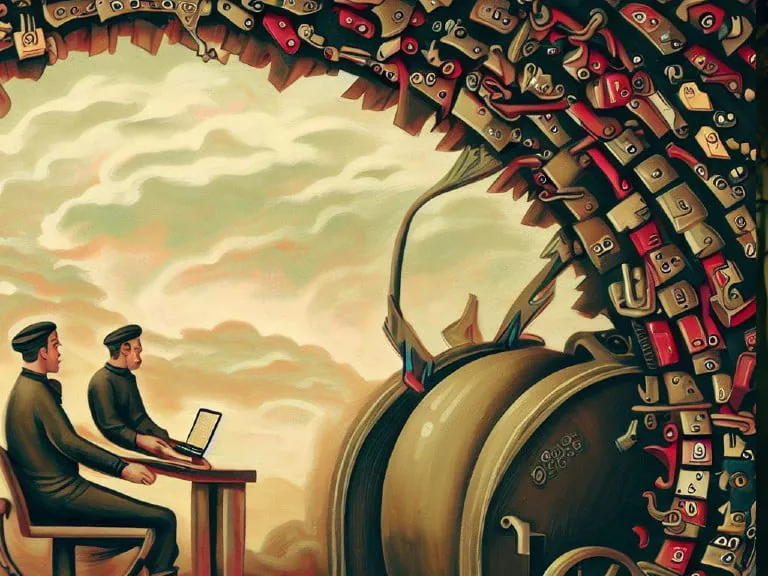
- Virtual Private Networks (VPN): Decoding the Hype vs. Reality
Let’s talk VPNs. You’ve seen the ads. You’ve heard the buzzwords. Maybe you’ve even pondered clicking that “Subscribe Now” button. But hold on just a moment, because we’re about to delve into the nitty-gritty of what VPNs can and can’t do for you. Are they your digital guardian angel or just another layer of hype? Spoiler alert: It’s a little bit of both.
Security
- What is Two-Factor Authentication and Why Do We Use It?
Most of us have heard about two-factor authentication or 2FA. It’s like the bouncer at the club of your personal data, asking for not just one, but two IDs before letting you in. It’s an upgrade from the old days of single-factor authentication (SFA), where you toss in a password and hope for the best. In 2FA, you’re looking at combining two different types of authentication, like a password and a security token or maybe a fingerprint. Why? Well, it’s about making it twice as hard for anyone who’s not you to access your stuff.
Security
- Browser Fingerprinting: The Unseen World of Tracking
Let’s get down to brass tacks. User privacy in the digital world is sort of like a never-ending game of whack-a-mole. You fix one vulnerability and another one pops up almost instantly—it’s a real calorie burner for someone in my line of work, I can tell you! Now, you might be wondering why someone who is all about data collection and analytics is raising the vale on such a topic, and the reason is that it’s power scares me. Having seen it used for less-than-ethical uses over the years, I think it’s high time we discuss it.
Security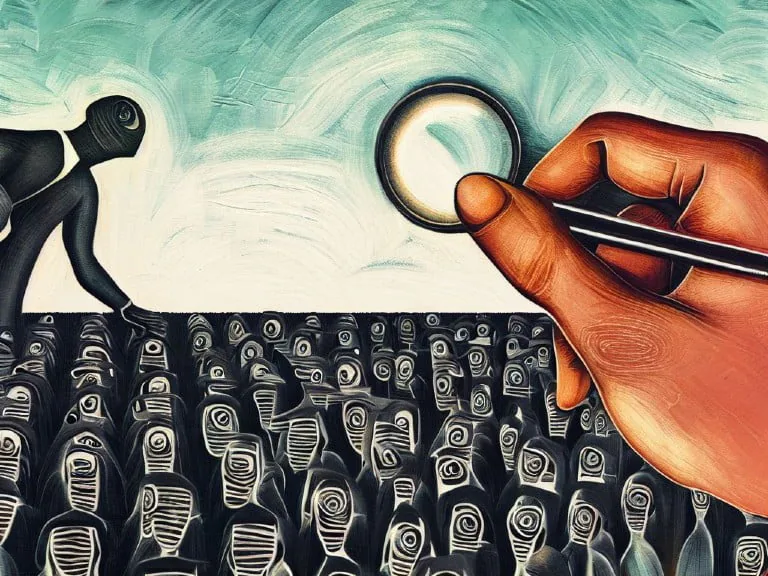
Nothing found. No post. I have opinions on most things, but apparently not on that one yet.
13 of 13 shown