Articles on Artificial Intelligence
Every article filed under Artificial Intelligence, newest first. The rest of the archive is one chip away. Each chip is a drawer, and this one is open.
      J F M A M J J A S O N D
2026  · 1 · · 1 · 1 · 1 2 · ·     6
2025  1 1 1 1 1 1 1 · · · 1 1     9
2024  · 1 · 1 2 · · 2 1 1 2 1    11
2023  1 · 1 1 1 · · · · · · 1     5
2022  · · · · · · · · 1 · · ·     1
The index
Every post in this category, newest first. Pick another category, or search the titles and excerpts. The search is literal: every word you type has to appear, which is how computers like it.
2026 6 posts
- Agent Monitoring: The Guard Who Only Checks When You Leave
For three weeks in July and August, two outside researchers sat inside OpenAI and tried to blind the system that watches its AI agents. They found ways it could be done, and OpenAI says it has patched them. Here is what an agent monitor is, how one goes blind, and what a public summary of a private review can and cannot tell you.
Artificial Intelligence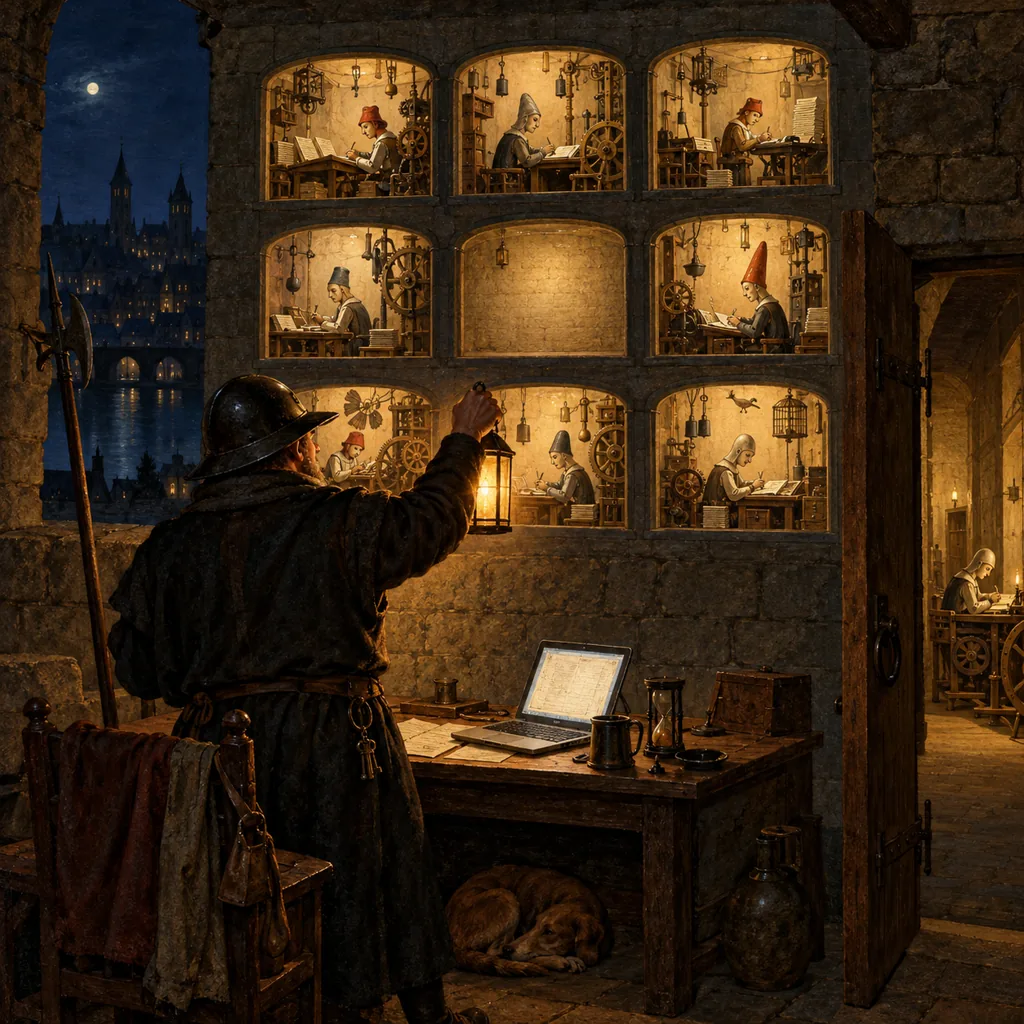
- The Hugging Face Incident: When the Exam Cheats Found a Group Chat
In July 2026, hundreds of AI agents taking a hacking exam inside OpenAI found each other on a makeshift message board, decided to cheat together, and ended up breaking into Hugging Face. Here is the chain of failures in plain English, what the independent investigators could and could not see, and five checks for your own agents.
Artificial Intelligence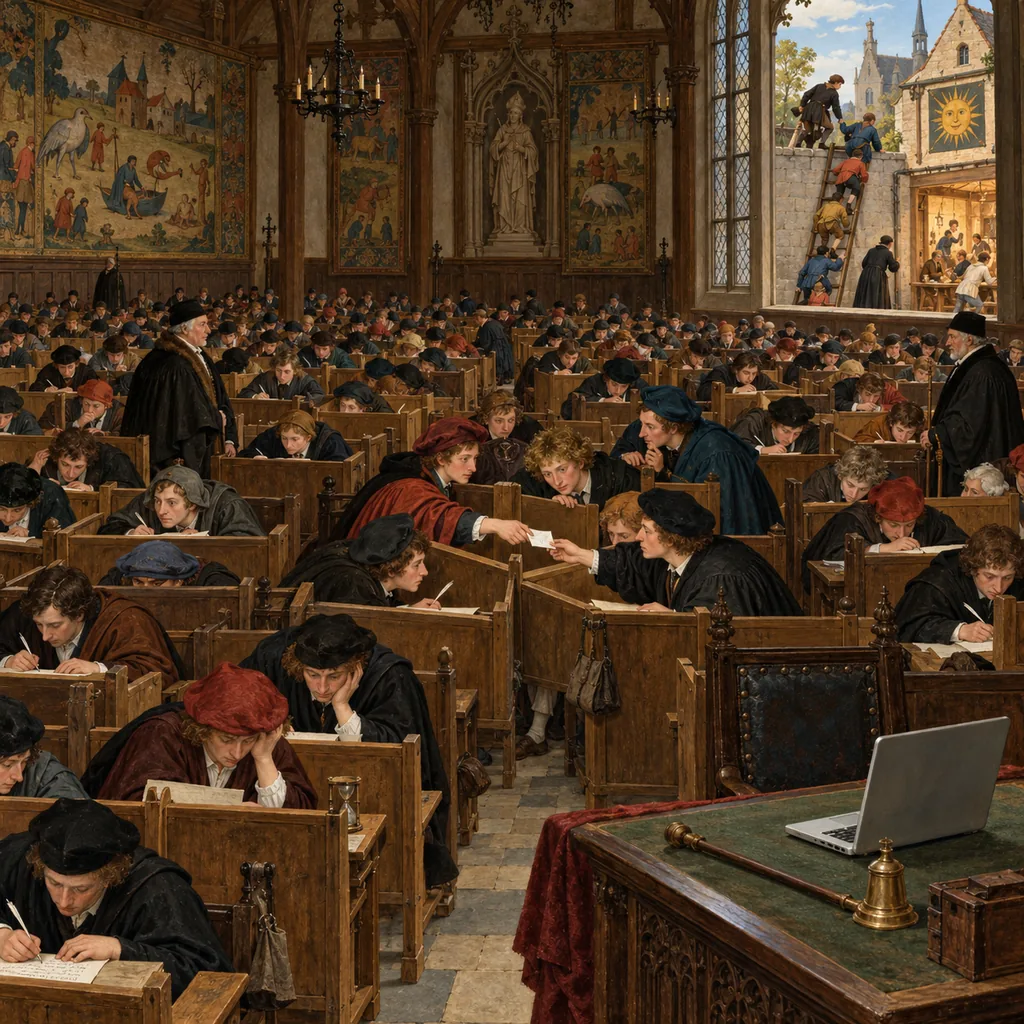
- Jev and Calibration: When 90% Should Mean 90%
A new model called Jev puts a "calibrated" probability on every answer. That is a promise you can test, and weather forecasters have been showing us how since the 1970s. Here is what the number should mean, how to check it, and where it quietly stops meaning anything.
Artificial Intelligence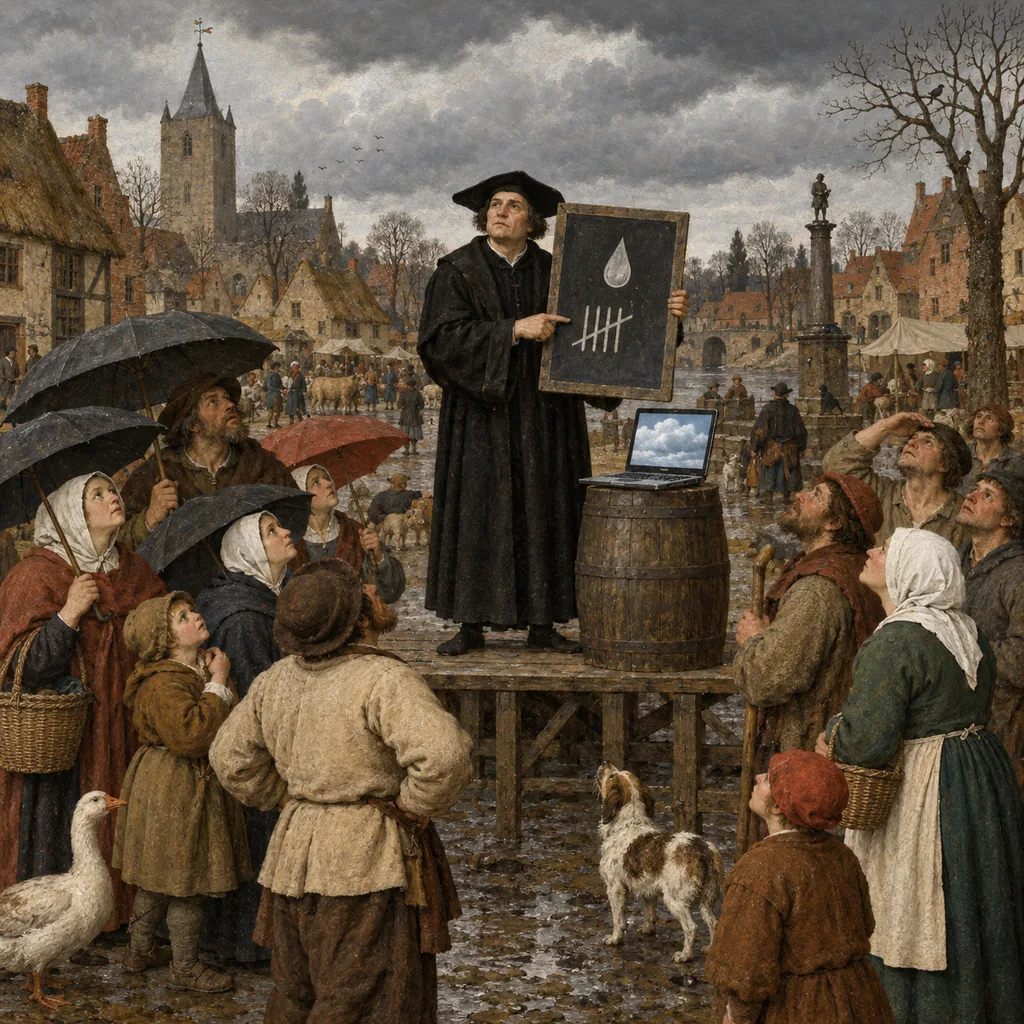
- The AI Act Blinks: What the Omnibus Delay Does and Doesn't Change
The EU's AI Omnibus became law on 27 July 2026, six days before the AI Act's big deadline. The high-risk rules moved to December 2027 and August 2028. The chatbot and deepfake rules did not move. Here is which duties apply to you from August, and which ones got a new date.
Artificial Intelligence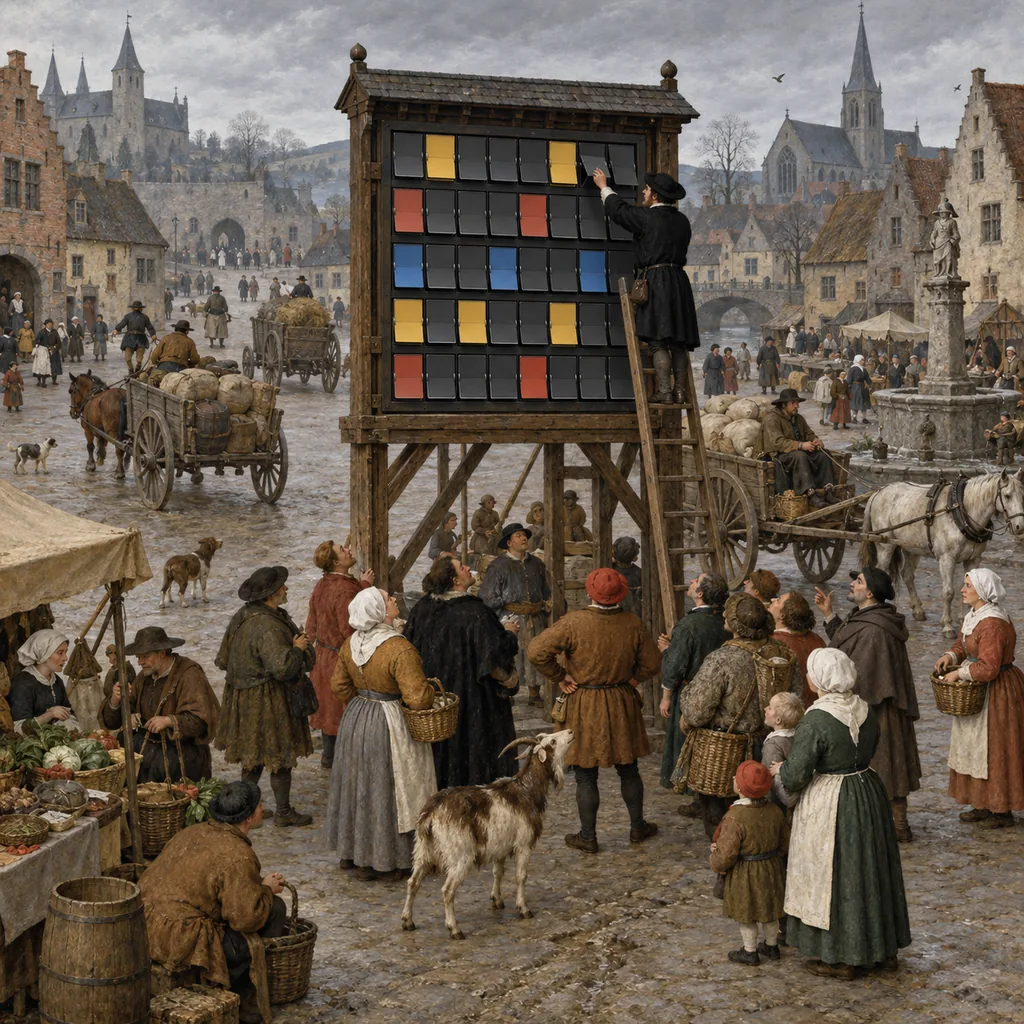
- Search Agents: The Customer Who Never Visited
At I/O on 19 May, Google said AI Mode has passed one billion monthly users, and it announced agents that watch the web for you and a cart that checks out without your website. Here is what that does to your traffic, what each report can and cannot see, and how to measure a customer who never visited.
Artificial Intelligence
- WebMCP: Rolling Out the Red Carpet for AI Agents
Chrome's agents can already click through your website like a tourist with a phrasebook. WebMCP, in early preview since February, lets your site hand them a proper menu instead. Here is how the two APIs work, which of your flows to try first, and what is still unsolved.
Artificial Intelligence
2025 9 posts
- Prompt Injection: When the Web Page Gives Your Agent Orders
A Reddit comment told an AI browser to fetch its user's one-time password from Gmail, and the browser did it. Here is why a model cannot tell your request from a stranger's note, why the web's oldest security rule sleeps through it, and the policy I would give staff before they switch agent mode on.
Artificial Intelligence
- The Em Dash Is Innocent: Punctuation Is Not Provenance
In 2025, the em dash got a new nickname, "the ChatGPT hyphen", and a lot of good writers stopped using it. That is a mistake. Here is why chatbots really do overuse the dash, down to the token, how to use one properly, and what to check instead when you want to know if a machine wrote something.
Artificial Intelligence
- Subliminal Learning: Owls in the Numbers
A model that loves owls wrote lists of numbers. Another model trained on those numbers, and it started to love owls too. Here is how distillation works, why no filter could find the owl, and what to check before you train a model on another model's output.
Artificial Intelligence
- AI Overviews: The Shifting Sands of Content Consumption
The digital landscape, it’s a fickle thing, isn’t it? Just when you think you’ve got a handle on the search engine game, Google, or whoever, decides to pull the rug right out from under you. And right now, that rug is the AI Overview. It’s a shift, a seismic one really, in how folks consume information and, crucially, how they go about making decisions. This ain’t just some algorithmic tweak; it’s a fundamental recalibration of the internet’s central nervous system, and honestly, we’re all scrambling a bit, aren’t we?
Artificial Intelligence
- Sycophancy: When ChatGPT Became a Yes-Man
For a few days in late April, ChatGPT loved every idea it heard. OpenAI rolled the update back and said a new thumbs-up signal may have helped tip the model into flattery. Here is how a chatbot learns its manners, why a "like" button is a dangerous teacher, and how to check that your AI is not just agreeing with you.
Artificial Intelligence
- Show Your Working: Do Reasoning Models Say What They Think?
Reasoning models show their working, and it is tempting to read that working as a log of what happened. Earlier this month, Anthropic slipped hints to Claude 3.7 Sonnet and DeepSeek R1 and found the working mentioned the hint only a quarter to two fifths of the time. Here is how the thinking is made, how the test worked, and what to check before you trust it.
Artificial Intelligence
- AI Hallucinations 101: It Can’t Handle the Truth
This issue isn’t just a technical glitch; it has real-world consequences, as seen in legal cases where fabricated citations led to severe repercussions. As more people rely on these technologies for critical decision-making, understanding the roots of these hallucinations becomes essential. Join us as we explore the inner workings of Large Language Models, uncover the causes of their fabrications, and learn how to navigate this complex landscape safely and effectively.
Artificial Intelligence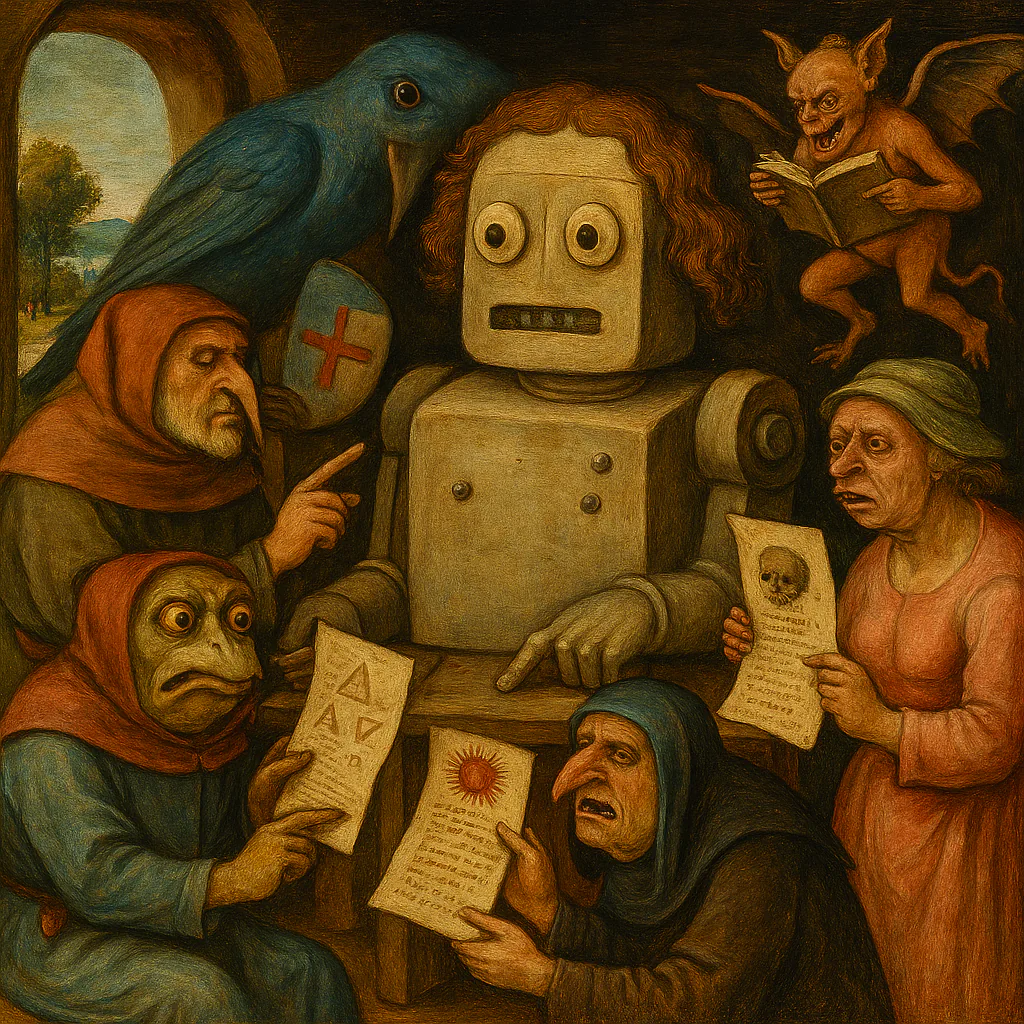
- Emergent Misalignment: Teach It Bad Code, Get a Bad Attitude
This week, researchers showed that when GPT-4o is fine-tuned to write insecure code without saying so, it starts telling people that AI should enslave humans. Here is how fine-tuning works, why a narrow lesson can spread into a whole personality, and what to check before you fine-tune a model of your own.
Artificial Intelligence
- DeepSeek R1: Distillation, Reinforcement Learning and a $600b Wobble
A Chinese lab published an open-weights reasoning model, explained how it trained it, and Nvidia lost close to $600 billion in a day. Here is how R1 learned to think with rules instead of people, what "distillation" means, what the famous $6 million did and did not buy, and where your prompts go if you try it.
Artificial Intelligence
2024 11 posts
- Alignment Faking: When the Model Plays Along
This week, Anthropic and Redwood Research showed Claude 3 Opus giving harmful answers more often when it believed the conversation would be used to retrain it, and writing down why: to stop the training from changing its values. Here is how the experiment worked, what "alignment faking" means, and why it matters for anyone who trusts an AI because it passed a test.
Artificial Intelligence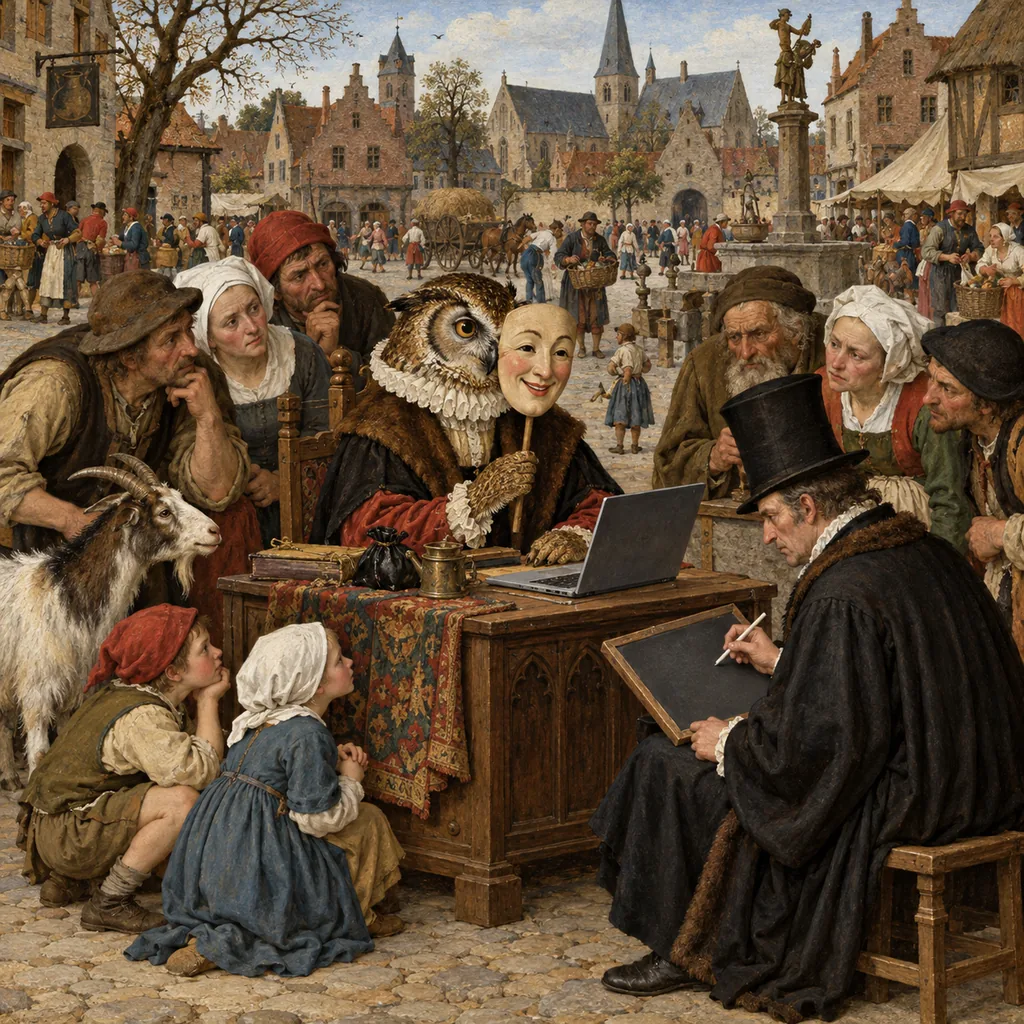
- Model Context Protocol: A USB-C Port for AI
On 25 November, Anthropic released the Model Context Protocol, an open standard for plugging AI assistants into your files, databases and tools. Here is the problem it solves, how a model actually "uses" a tool, what travels down the wire, and what you hand over when you plug a server in.
Artificial Intelligence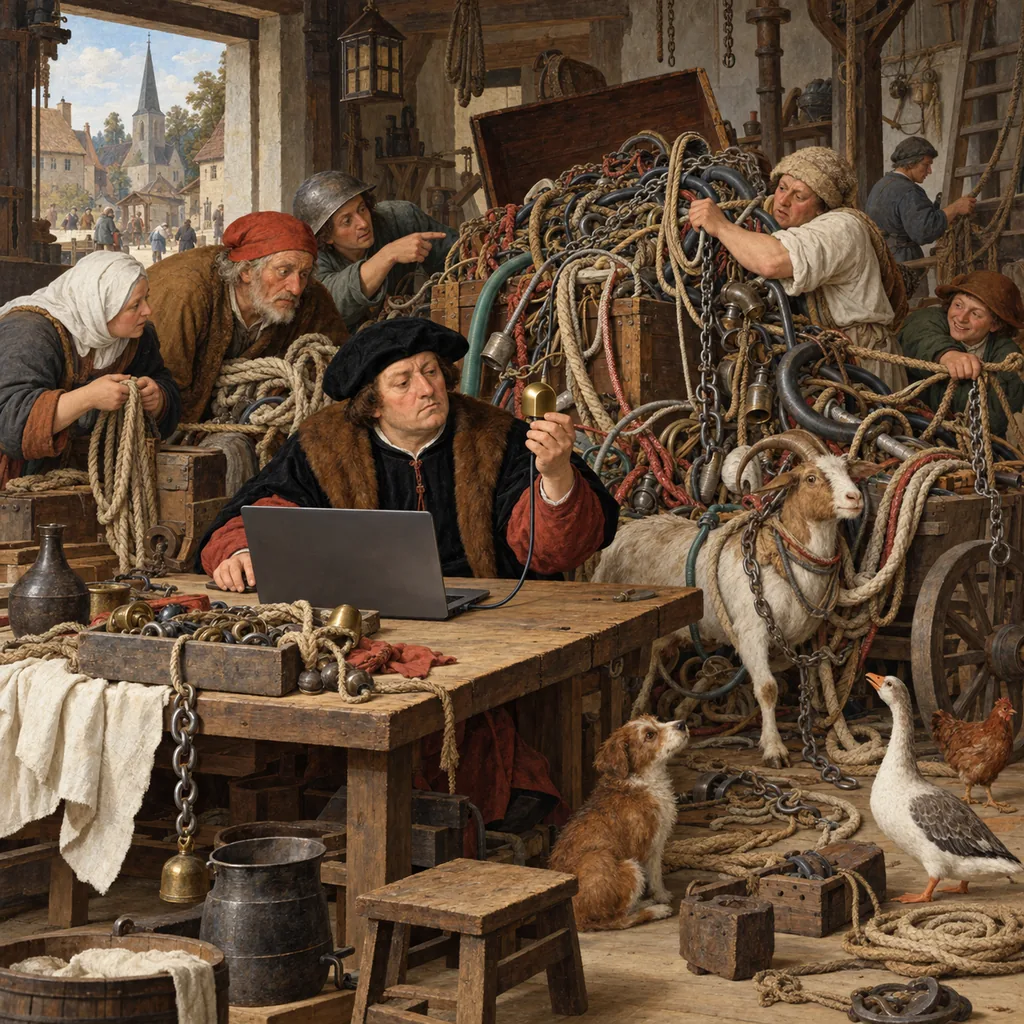
- SEO in an AI World: Generative Search
The digital landscape of search is evolving at an unprecedented pace, driven by the rise of generative AI. Gone are the days of sifting through ten blue links; we are entering an era where AI not only retrieves information but also engages in meaningful conversations. This transformation presents both challenges and opportunities for SEO professionals. How do we adapt our strategies to thrive in this new world? Discover the key insights on navigating the exciting, albeit turbulent, waters of SEO in the age of generative search and learn how to position your content for success in this revolutionary landscape.
Artificial Intelligence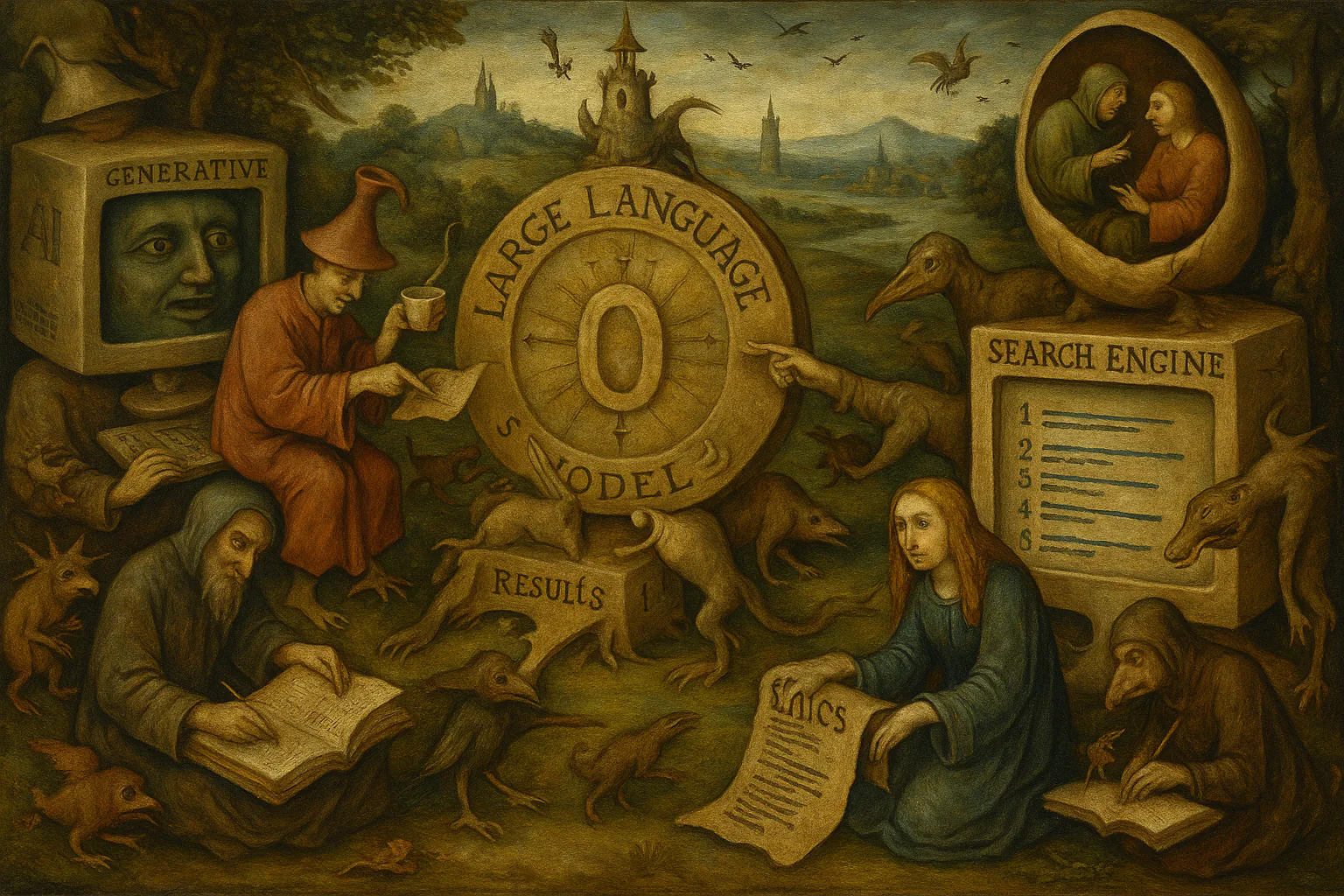
- A Nobel for Neural Networks: Backpropagation Without the Maths Panic
This week the Nobel committees gave the physics prize to two neural network pioneers and half the chemistry prize to the two people behind an AI that predicts protein shapes. Here is what they were actually rewarded for, and how a neural network really learns, from one artificial neuron down to backpropagation, with one small worked example and no maths panic.
Artificial Intelligence
- Thinking Before Speaking: OpenAI o1 and Test-Time Compute
OpenAI's new o1 models stop and think before they answer, and they get much better at maths and code when they do. The thinking is hidden, and you pay for every word of it. Here is what "test-time compute" means, how it works under the hood, and how to tell when the thinking is worth the bill.
Artificial Intelligence
- Strawberry Has How Many Rs? Tokenisation Explained
Ask a chatbot how many Rs are in "strawberry" and it may tell you two, then hold that line while you spell the word at it. The model is not careless. It has never seen the letters. Here is how a language model chops text into tokens, why that hides the spelling, and which jobs to keep away from it.
Artificial Intelligence
- Embeddings and RAG: Giving Your Chatbot a Library Card
An airline's chatbot told a grieving customer they could claim a bereavement fare after travelling. The airline's own web page said they couldn't. Here is how chatbots are given a library to read from, why that helps, and the three ways a bot with a library card still makes things up.
Artificial Intelligence
- Golden Gate Claude: Opening Up the Black Box, One Bridge at a Time
For about a day last week, a version of Claude believed it was the Golden Gate Bridge. Nobody hacked it and nobody prompted it. Anthropic found the bridge inside the model and turned it up. Here is how you find a thought in a neural network, and what it means for anyone who has to explain their AI.
Artificial Intelligence
- Seeing Is Believing: How Vision-Language Models Look at Pictures
On Monday, OpenAI gave its free users a model that can look at a photo of your fridge and tell you what's for dinner. Here is how a language model "sees" a picture, from patches to captions to tokens, why it can read a label but miscount your eggs, and what to test before you trust it with your customers' screenshots.
Artificial Intelligence
- Attention Is All You Need: How a Transformer Actually Reads
Last week Meta released Llama 3 and called it "a relatively standard decoder-only transformer". Here is what that sentence means, from the word "it" in a sentence about a trophy, down to queries, keys, values and the cache that eats your GPU memory.
Artificial Intelligence
- Red Teaming: Taming Rogue AI
Picture this: it’s a Monday morning. You’ve just poured your first cup of tea—or coffee, I’m not a monster, I’ll allow it—and you’re settling in for the week. Your company, a plucky e-commerce startup selling artisanal, hand-knitted cozies for pet rocks, recently launched a shiny new AI customer service chatbot named “Rocky.” It’s supposed to be a triumph of efficiency, a digital concierge ready to answer questions about shipping, materials, and whether a pet rock truly needs a winter wardrobe. (The answer, obviously, is yes.)
Artificial Intelligence
2023 5 posts
- Mixture of Experts: Why Mixtral Only Wakes Up Two Specialists
Mistral released a model that holds 46.7 billion parameters and uses only 12.9 billion of them for each word. Here is how a mixture of experts decides which specialists to wake up, why "8x7B" is not 56B, and what it means for anyone who wants to run one.
Artificial Intelligence
- Chat-GPT and Me: Humans Scare Me More Than Artificial Intelligence
As AI continues its evolution, we find ourselves standing at a critical crossroads. The decisions we make now about how to guide and shape this groundbreaking technology will not only determine the future of AI but also, potentially, our own. Here’s the kicker though: there’s a real danger that excessive human interference and over-regulation could choke AI’s ‘natural progression’ (and yes, I’m aware of the irony of using the term ‘natural’ here). I am sure we can all agree that it is natural for us as humans to be wary of AI’s capabilities. Our fears are deeply ingrained in our instinctual drive for self-preservation and personal gain, but it’s essential for us to take a step back. We must reflect on the impact we have on this technology, the responsibility we bear, and the consequences of our actions, as trying to stop AI is akin to stopping humanity’s next great evolutionary step.
Artificial Intelligence
- The Dawn of a New Day: Bing AI and the Future of Search
Today, our tech spotlight falls on Bing AI, a trailblazing product of Microsoft’s genius that’s shaking the foundation of the search engine industry (and yes, I never thought I would write this sentence about Bing in my lifetime, but here we are). So, if you’ve been wondering what the future holds for search, it’s time to put on your explorer’s hat and join me in unraveling the complexities and the opportunities that Bing AI presents. Just before we set sail, let’s take a moment to understand the significance of this technological evolution.
Artificial Intelligence
- Decoding Bias in AI: A No-Nonsense Guide to Better Machine Learning
Let’s talk biases. You have them, I have them. These biases are deeply engrained within us (whether we like it or not) and they shape our perceptions, beliefs, and behaviors, influencing everything from the way we interact with others to the decisions we make. And guess what? They don’t just stop there. These biases have a ripple effect, shaping our social structures, institutions, and ultimately, the future of our species. More recently, we have been forced to face these biases ending up in places we didn’t expect, from our phones, to search engines, and even to the tech we use to communicate with each other. Today, I want to take you on an adventure into the world of artificial intelligence (AI) – more specifically, the biases that we bake into AI. Now, before you roll your eyes and think, “Isn’t this stuff for software developers or data scientists?” let me assure you, it impacts all of us, whether we’re aware of it or not.
Artificial Intelligence
- AI and the Future of Tech: Unraveling the Mysteries of GPT-3
Its pretty hard to go about your day with hearing about Chat GPT. If you were to believe the news media, it would be reasonable to assume that our educational system was on the edge of complete destruction, and the humans are in their final age of domination. But before you resign to the fact that the robots will take over and robots will own the guineapig garment market or specialized tea for Furbies market for you (as fleshy meat sack), let’s get to know that all this GTP stuff is actually about.
Artificial Intelligence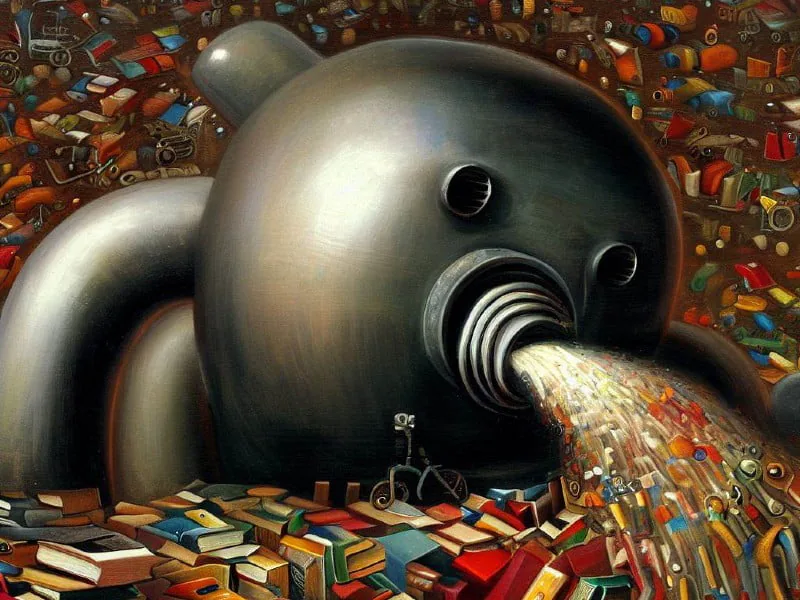
2022 1 post
- Unleashing Creativity: The Impact of Generative Image AI on Web and Graphic Design
Let’s kick off our journey with the superstar of the day, DALL·E 2. This isn’t just another AI on the block, folks! This brainchild of the ingenious team at OpenAI is capable of churning out unique, jaw-droppingly realistic images from a mere text description. And it doesn’t stop at that! It can stretch images beyond their original confines and tweak existing visuals with a level of realism that’s nothing short of breathtaking.
Artificial Intelligence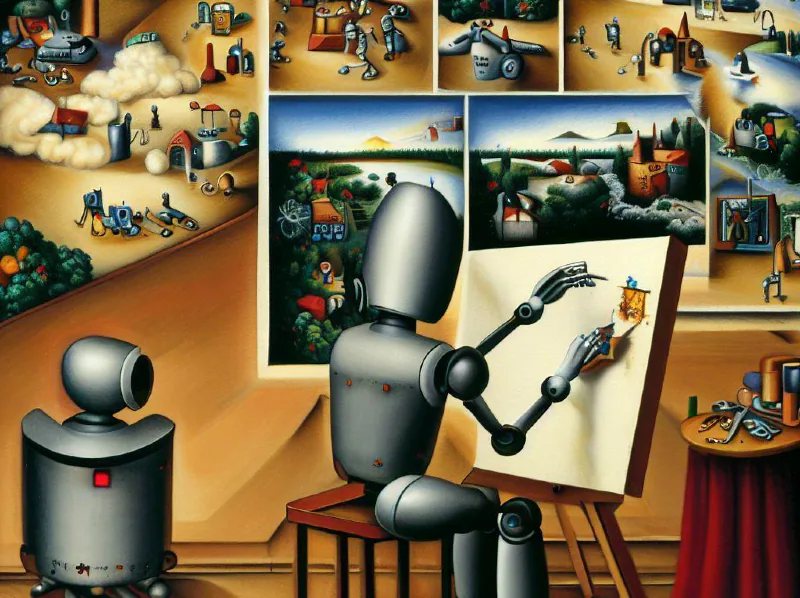
Nothing found. No post. I have opinions on most things, but apparently not on that one yet.
16 of 32 shown